


Yes, nonprofit websites that use cookies, tags, or other internet tracking technology should consider having a properly configured cookie consent banner.
It should pop up for any new visitor that enters the site and enable them to make proper choices and control regarding which cookies are placed on their browsers or not.
Having a cookie consent banner helps keep your nonprofit in line with laws like the GDPR or the Colorado Privacy Act, and shows site visitors you respect their personal data and privacy.
This is part of Termly’s ‘Ask the Privacy Experts’ series, where a member of our team briefly answers one of the top questions we hear from businesses about how data privacy and consent management impacts them.
Why Do Nonprofit Websites Need Cookie Consent Banners?
Nonprofit websites need cookie consent banners because it allows you to communicate to your site visitors that you want to use cookies and place them on your browsers and gives them a chance to agree to them or not.
This shows visitors that your website is trustworthy and honest about its data collection and processing activities.
Having a cookie banner on your site can also help your nonprofit align with privacy laws that might apply, like the General Data Protection Regulation or the Colorado Privacy Act.
While some privacy laws exempt nonprofits, others, including the CPA, do not.
This means your nonprofit might fall under the legal threshold of these laws and could be subject to compliance.
Learn more about why websites need to manage cookie consent in our video below.
Do Nonprofit Websites Use Cookies or Other Trackers?
Yes, like most websites on the modern internet, even nonprofit sites typically use cookies or other trackers, and want to deploy them on visitors’ browsers.
These little bits of data help websites function properly and perform a lot of useful tasks, but they can also collect and process personal information.
See the types of cookies and other tracking technologies commonly used by nonprofit websites in the table below.
| Types of Cookies/Trackers | What They Do | Consent Banner Required? |
| Donations/Fundraising tracking cookies | These track donation session data, returning donors, and conversion rates. They could come from third party platforms like Classy, Donorbox, GiveWP, or Blackbaud. | Yes |
| Analytics cookies | These typically come from third party platforms like Google Analytics or Google Tag Manager and track user browsing experiences like page views, traffic sources, website heat maps, and more. | Yes |
| Marketing/Retargeting cookies | These might be used as outreach for fundraising campaigns and tracks donations, newsletter sign-ups, and page visits. Likely to come from third party platforms like Meta, Google Ads, or LinkedIn Insight Tags. | Yes |
| Email marketing/CRM tracking cookies | These are critical for donor engagement and help track signup forms, campaign-driven visits, and returning users from email links. Could come from third party platforms including MailChimp, Klaviyo, or Salesforce Marketing Cloud. | Yes |
| Personalization/Donor experience cookies | These help websites recognize returning donors and can remember previous donation amounts, pre-fill forms, or show personalized content like relevant campaigns or adjusted messaging. | Yes |
| Advocacy/Engagement tool cookies | Policy or cause-driven nonprofits might use these to track signatures and supporter actions, prevent duplicate submissions, or register for events via third party platforms. | Yes |
| Social media/Embedded content cookies | These are used when a nonprofit embeds social media links on their site or include social sharing buttons. They can track clicks and other user behaviors. | Yes |
| Session cookies | These keep users or donors logged into accounts and help maintain a user’s progress on an internet form. | Sometimes |
| Essential/Strictly necessary cookies | These help websites function properly and include security cookies and cookies that help complete payment transactions. | No |
How Can Nonprofit Websites Make Cookie Consent Banners?
It’s fast and easy for nonprofit websites to make cookie consent banners with tools like Termly’s Cookie Banner Generator.
You can use our interactive interface to design a banner that matches your nonprofits branding and add it directly to your website. It’s lightweight and includes essential features like multilanguage supports, cross-regional consent settings, script auto blocking, and more.
Built by privacy experts and backed by our legal team, let Termly take care of the technical aspects of consent management for you, so you can stay focused on the good work your nonprofit is doing.

Written by Amanda Lee, CIPP/US
Amanda is a Documentation Specialist and Certified Privacy Professional (US). She converts product documentation into easily understood product for Termly's customers. She also has strong understanding of US privacy laws and regulations, helping to keep customer policies up to date at a time when US states are enacting more and more privacy laws.
Read all posts by Amanda Lee, CIPP/US
Reviewed by Masha Komnenic CIPP/E, CIPM, CIPT, FIP
Masha Komnenic is a legal counsel and Termly’s Director of Global Privacy, who received her law degree from Belgrade University. She specializes in implementing, monitoring, and auditing business compliance with privacy regulations (HIPAA, PIPEDA, ePrivacy Directive, GDPR, CCPA, POPIA, LGPD).
Read all posts reviewed by Masha Komnenic CIPP/E, CIPM, CIPT, FIP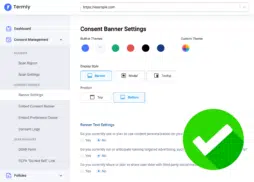
Generate a FREE Cookie Banner